INGREDIENTS
Galls, iron, water, gum
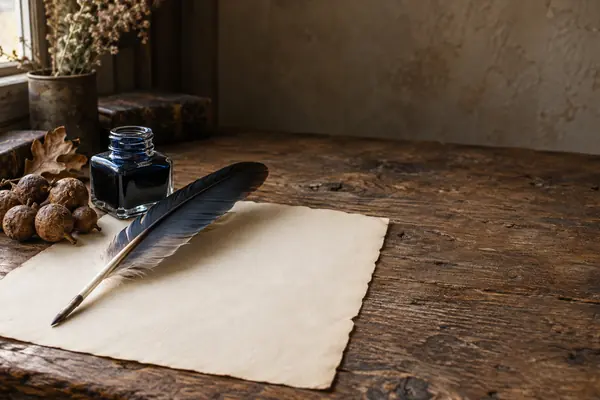
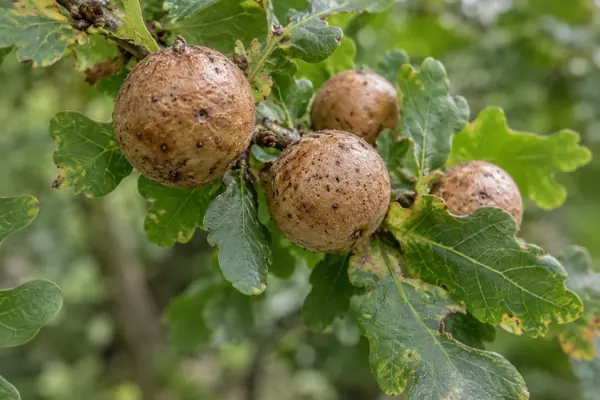
The most common recipes used oak galls, iron sulfate, water and gum arabic. Tannins from the galls react with the iron to make a dark ink.
How it was made calligraphydoodle
Start
WHAT THE CONSERVATORS SAY
Much of the old handwriting in archives was written in iron gall ink.
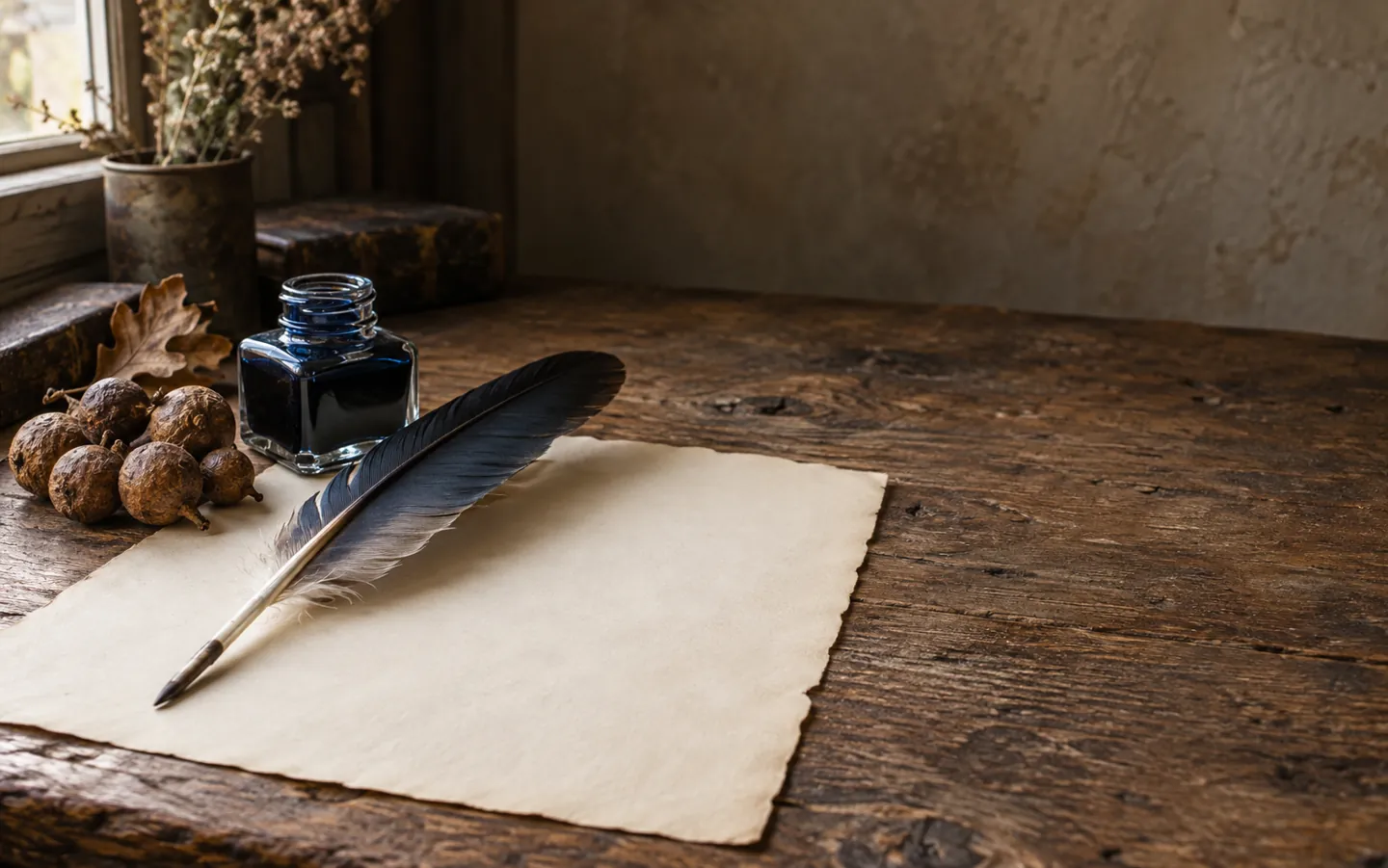
It was made from oak galls and iron salts, and it was prized because it would not wash away. The same chemistry that fixes it to the page also releases acid, which is why conservators around the world still study it.
BLUE-BLACKand burnt in
Check a pageKeep in mind
THE SHORT ANSWER
Four ingredients, one reaction.
It explains both the beauty and the damage.
INGREDIENTS
The most common recipes used oak galls, iron sulfate, water and gum arabic. Tannins from the galls react with the iron to make a dark ink.
How it was madePERMANENCE
Unlike carbon ink, which could flake off, iron gall ink etches the writing surface and cannot easily be washed off. That made it the favourite for parchment.
See the numbersCORROSION
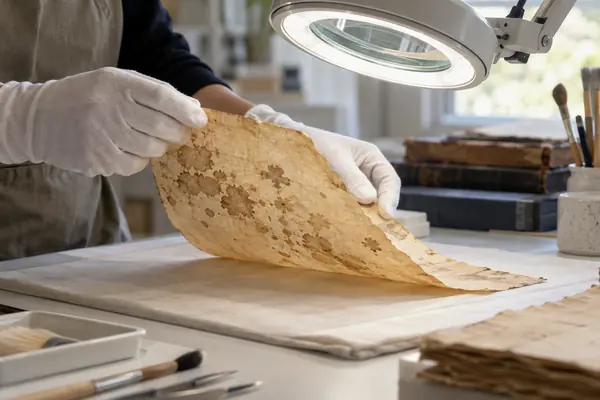
The reaction also releases sulfuric acid. Over time it browns and weakens paper, and heavily inked letters can crack or fall out.
Check a pageA QUICK PAGE CHECK
Conservators describe ink corrosion in stages. Pick what you can see on an old handwritten page to find the stage. The bar shows how advanced the damage is.
Based on conservation guidance from the American Philosophical Society Library. For valuable documents, ask an archive or a trained conservator before handling or treating them.
TWO NUMBERS WORTH KNOWING
One figure on why the ink harms paper,
one on how archives slow it down.
1–3 pH
Typical pH of iron gall ink
Forming the dark iron-tannin complex releases sulfuric acid, so the ink is always very acidic. Acids shorten the cellulose chains in paper, making it brown and brittle.
ACIDITY · APS LIBRARY
< 60%
Relative humidity to stay under
With no definitive cure yet, the preferred way to prolong originals is a suitable environment, in particular relative humidity under 60%, plus careful handling.
STORAGE · SURREY HISTORY CENTRE
An EU-funded project, InkCor (2002 to 2005), found that the thickness of the ink layer, the density of the paper and the acidity of the writing material were the most important factors in a document's condition.
FOUR HABITS FROM THE ARCHIVES
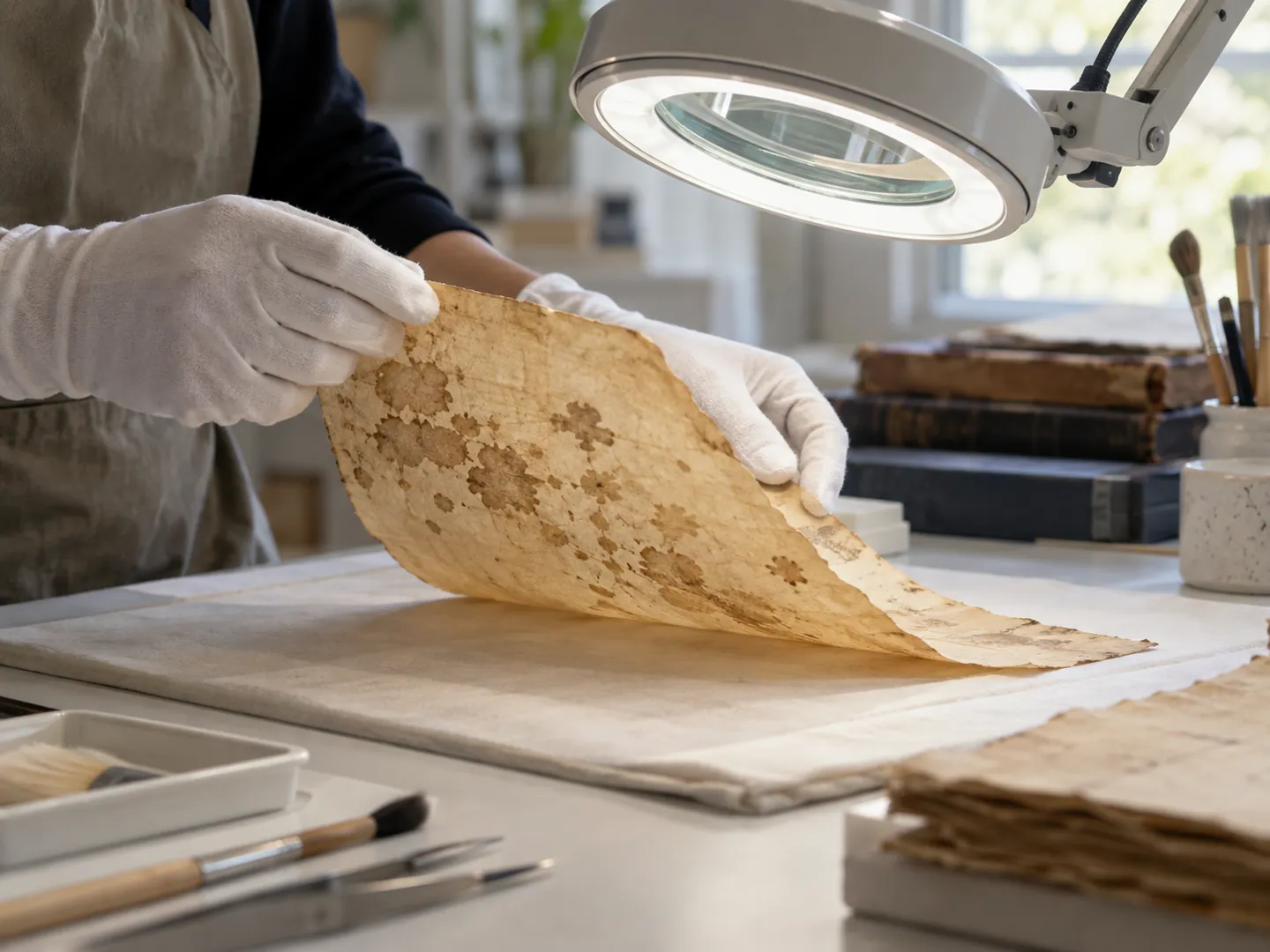
Archive advice for iron gall ink documents is simple and cheap. These habits come straight from conservation guidance, not from a treatment kit.
Step 1
Surrey History Centre repeats the long-standing advice: cool, dark conditions slow the damage.
Step 2
Aim for relative humidity under 60%. Changes in temperature and humidity help the ink corrode.
Step 3
Corroded ink can crack when the paper moves, so support the sheet and turn it gently.
Step 4
Washing and deacidifying badly damaged pages are specialist methods used by trained conservators.
FROM GALL TO PAGE
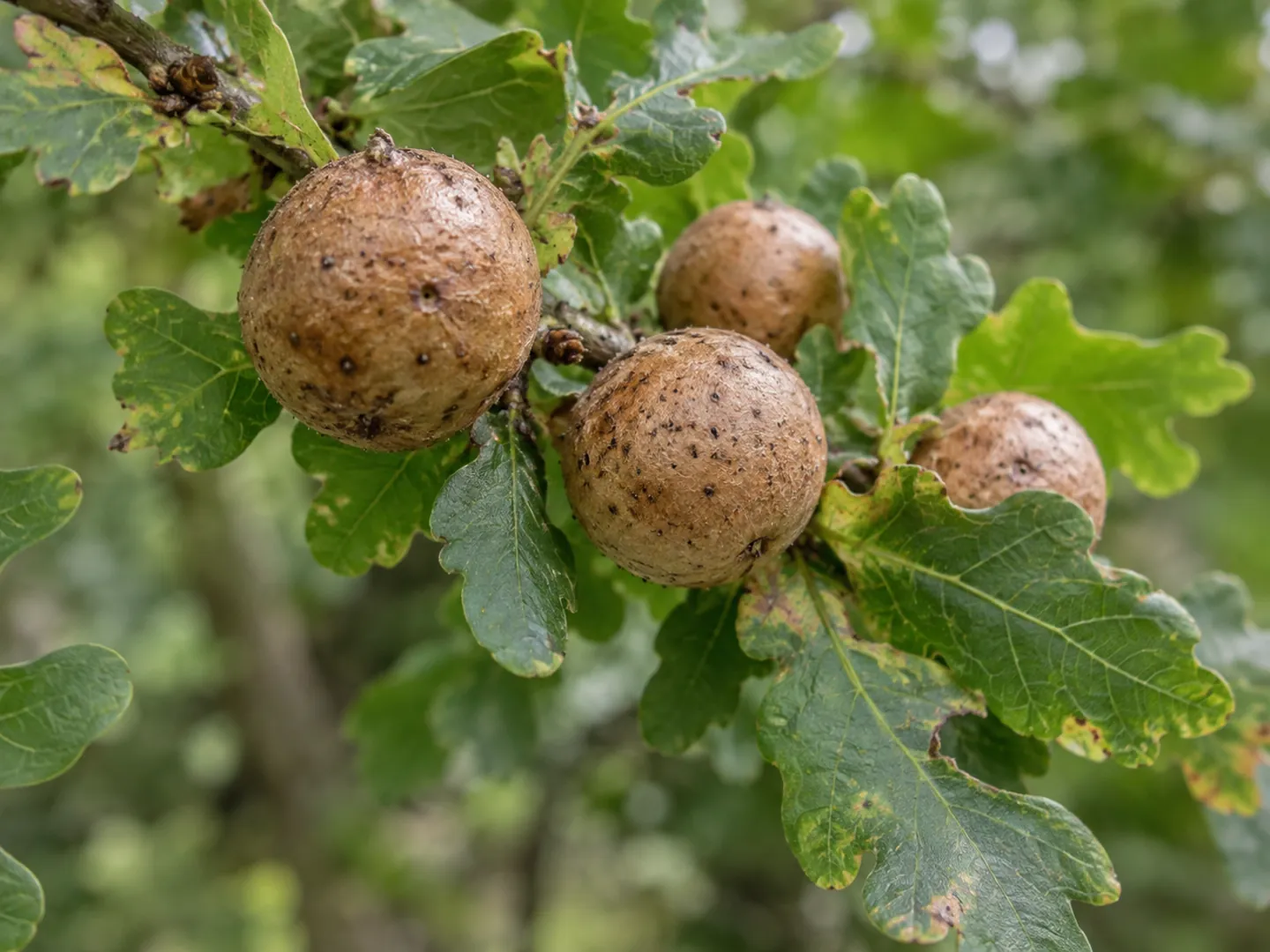
Oak galls are the tree's reaction to wasps laying eggs. Soaked in water, wine or beer, they release tannins and gallic acid. Ferrous sulfate, once called green vitriol or copperas, turns them blue-black, and gum arabic helps the ink flow from a quill or a metal nib.
Fresh iron gall ink often goes on pale brown and darkens to a purplish black as it dries. Because people mixed their own, recipes varied, and inks with more iron than the reaction needed were prone to corrosion.
Questions
Sources differ on its start. The American Philosophical Society says it was developed in the 4th century, Surrey History Centre says it was in use before the 7th century, and the Library of Congress calls it the main Western writing ink from the 12th to the 19th centuries.
Carbon inks could flake off with damp and rubbing, especially from parchment. Iron gall ink bonds to the surface chemically and cannot easily be washed away, so it was treated as permanent.
When first applied it is often light brown or sepia, then it turns purplish-black as it dries.
The ink is very acidic, with a pH of 1 to 3, and excess iron speeds up oxidation of the paper. Together they make paper brown, brittle and in the worst cases full of holes.
Conservators have treatments, including washing in a calcium ammonium phytate solution and deacidification, but research continues and there is no definitive solution. Good storage and gentle handling remain the first line of care.
Destination
Updated
ABOUT THIS NAME
calligraphydoodle.com is part of the DoodleSale portfolio. It isn't in an auction right now, but you can ask about leasing it.